ID : 81522
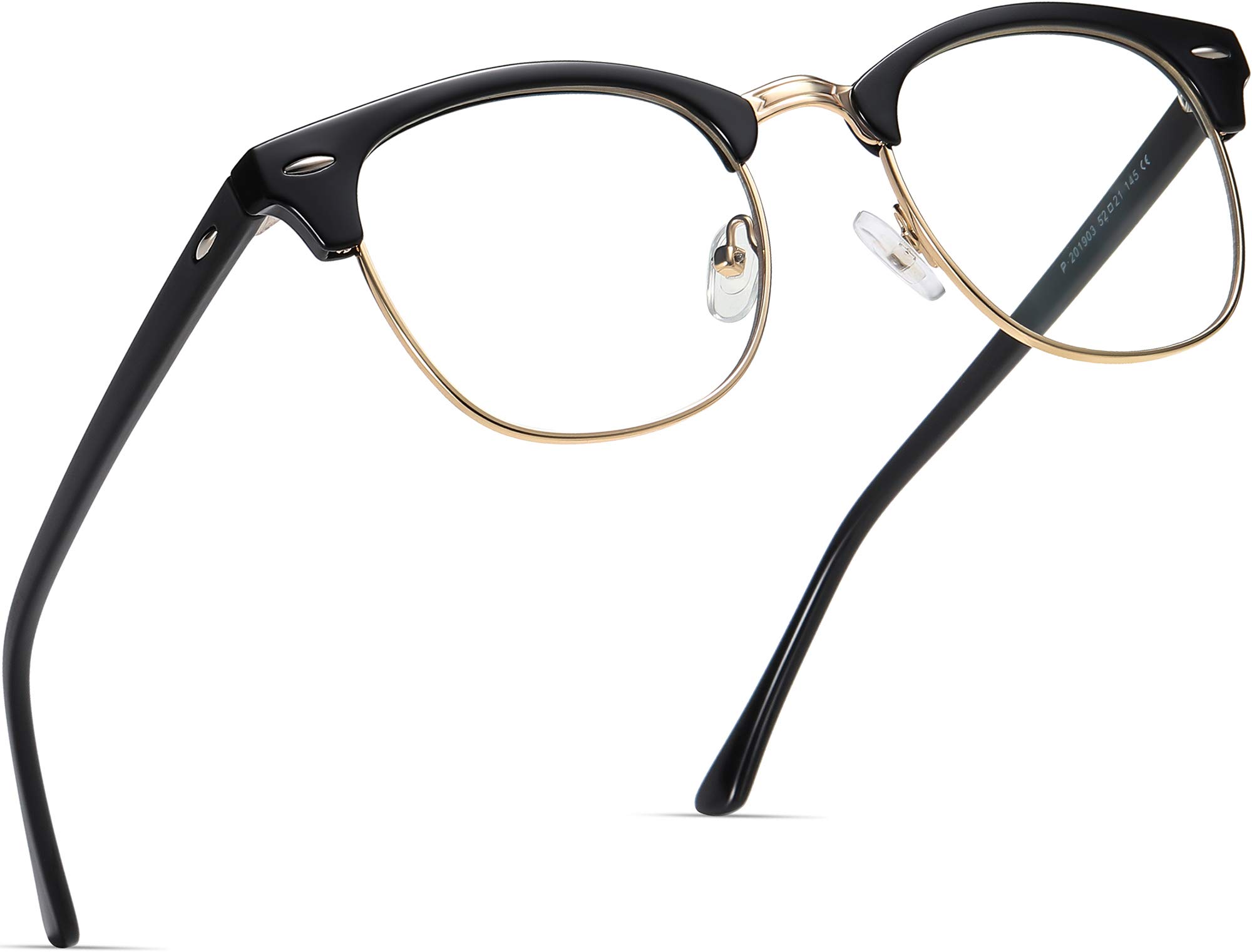
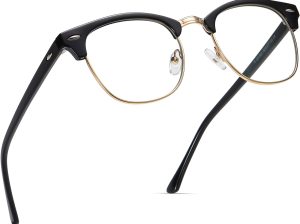
Eyewear has become one of the most visible forms of self-expression in modern fashion. When selectingPrescription Glasses, many individuals now look for “statement” frames that draw attention to their eyes and define their look. From oversized 70s-inspired plastic frames to minimalist rimless designs, the options are virtually limitless. The key to a successful style is finding a frame color that complements your skin tone and hair color. Neutral tones like tortoiseshell or black are versatile for professional environments, while vibrant colors like emerald or cobalt can add a unique flair to a casual outfit. This fashion-centric approach makes wearing glasses an enjoyable part of one’s daily routine.
The process of creating high-endPrescription Glasses has become a high-tech endeavor. Computer-aided design (CAD) allows manufacturers to create frames that are perfectly balanced and ergonomically sound. At the same time, robotic lens casting ensures that prescriptions are accurate to within a fraction of a millimeter. This level of precision is essential for progressive lenses, which require exact placement of the near, intermediate, and distance viewing zones. As technology continues to advance, we are seeing the rise of 3D-printed frames that can be custom-fitted to the exact measurements of a person’s head, providing a level of personalization and comfort that was previously unimaginable in the optical industry.
Visual comfort is not just about seeing clearly; it is about how the brain processes the light entering the eyes. QualityPrescription Glasses are designed to minimize aberrations and light scattering, which can cause visual “noise” and discomfort. High-grade optical polymers offer better light transmission than cheaper plastics, resulting in brighter and more vivid colors. For people with light sensitivity, specialized tints can be added to reduce the intensity of indoor lighting without making the environment too dark. By focusing on the science of optics, modern eyewear manufacturers ensure that users can go about their day with minimal eye strain, regardless of their visual environment or lighting conditions.
Even the best pair ofPrescription Glasses cannot compensate for an outdated prescription. Eye health professionals recommend comprehensive exams at least once every two years to check for changes in vision and screen for underlying health issues. A fresh prescription ensures that your eyes are not working harder than they need to, which prevents the progression of certain vision problems. During these exams, optometrists also check for signs of glaucoma, cataracts, and macular degeneration. Keeping your eyewear up to date with your current ocular status is the most effective way to ensure long-term clarity and maintain the overall health of your visual system.
For individuals experiencing presbyopia—the age-related loss of near vision—modern lens designs offer elegant solutions. Rather than switching between two different pairs, many users opt for progressivePrescription Glasses. These lenses provide a seamless transition from distance vision at the top to reading vision at the bottom, without any visible lines on the lens. This multi-focal approach mimics natural vision more closely than traditional bifocals. It allows users to drive, work on a computer, and read a book all with the same pair of glasses. Mastering the use of progressives takes a few days of adaptation, but the convenience and visual continuity they offer are unparalleled for active adults.
Sustainability is becoming a major factor in the eyewear industry as consumers look for eco-friendly alternatives. Many leading brands are now producingPrescription Glasses using bio-based acetates, recycled metals, and even ocean-bound plastics. These materials offer the same durability and style as traditional plastics but with a significantly lower environmental footprint. Furthermore, some companies are implementing “circular” programs where old frames can be returned for recycling or refurbishing. This shift toward green manufacturing ensures that looking after your vision doesn’t have to come at the expense of the planet, providing a guilt-free option for environmentally conscious consumers looking for high-quality vision correction.






Unit 14, Holroyd Business Centre, Carrbottom Road, Bradford BD5 9BP, UK
£788.42 (Fixed)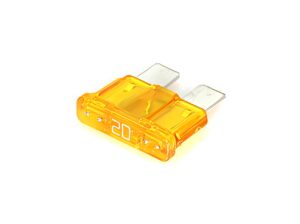
Unit 14, Holroyd Business Centre, Carrbottom Road, Bradford BD5 9BP, UK
£0.56 (Fixed)
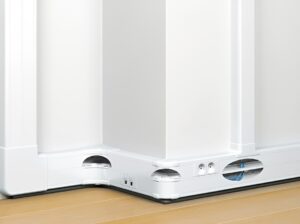
Unit 14, Holroyd Business Centre, Carrbottom Road, Bradford BD5 9BP, UK
£87.43 (Fixed)