ID : 85791
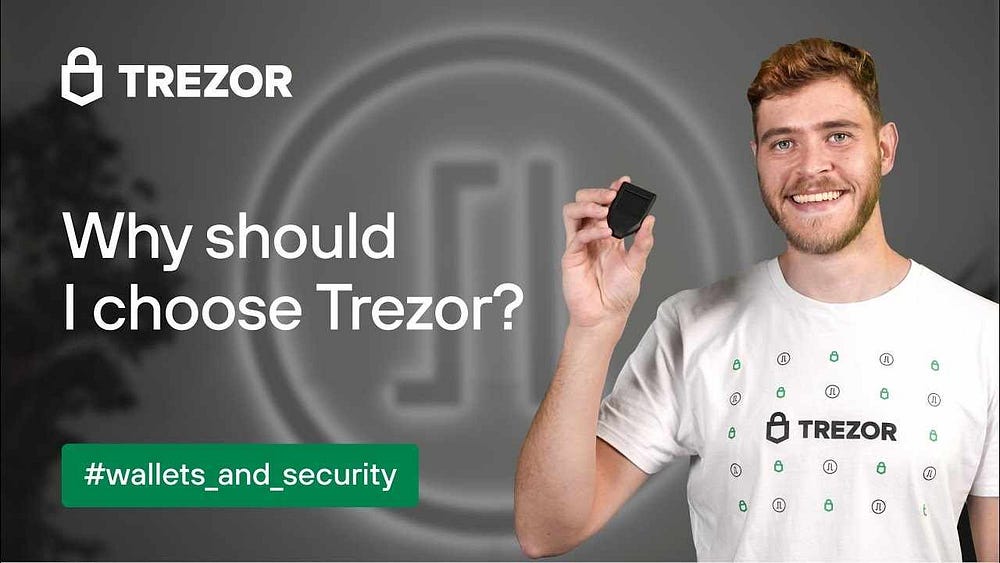
A Trezor Hardware Wallet is a physical device designed to help users store and manage cryptocurrency while keeping private keys isolated from an internet-connected computer or smartphone. For crypto users who prioritize security, hardware wallets provide an additional layer of protection compared with keeping assets exclusively in online wallets or exchanges.
A Trezor Hardware Wallet is a dedicated cryptocurrency security device developed by Trezor. Instead of storing your private keys directly on your computer, the device keeps them protected within the hardware environment. Transactions can be reviewed and confirmed using the device, helping reduce the risk of exposing sensitive information to potentially compromised websites or applications.
Trezor offers different hardware wallet models and software tools for managing supported cryptocurrencies. Depending on the model, users can access features such as PIN protection, backup and recovery options, and transaction confirmation directly on the device.
When you initialize a Trezor Hardware Wallet, it generates or imports the information needed to manage your cryptocurrency accounts. The device uses security mechanisms to keep private keys protected while allowing you to authorize transactions.
A typical transaction involves several steps. First, you connect your Trezor device to a compatible computer or mobile environment. You then select the cryptocurrency account and enter the transaction details. Before the transaction is authorized, important information can be reviewed on the hardware device. You confirm the transaction using the device itself.
This process helps ensure that signing a transaction requires physical access to the hardware wallet rather than relying entirely on the connected computer.
One of the main reasons people choose a hardware wallet is to reduce exposure to online threats. Cryptocurrency stored on an exchange or software wallet may be more exposed to phishing attacks, malware, malicious browser extensions, or compromised devices.
With a Trezor Hardware Wallet, private keys are designed to remain protected by the device. Physical confirmation can also provide an important security step because a transaction cannot simply be authorized through a potentially compromised computer alone.
However, hardware wallets are not completely risk-free. Users still need to protect their recovery information, verify transaction details carefully, and avoid fraudulent websites or applications.
Setting up a Trezor Hardware Wallet generally starts with obtaining the device from a trusted source. After connecting it, users follow the official setup instructions to initialize the wallet and create a secure backup.
During setup, the recovery information is extremely important. It can potentially be used to restore access to cryptocurrency accounts if the hardware device is lost or damaged. For that reason, users should keep their recovery information offline and protected from unauthorized access.
Never enter recovery information into an unfamiliar website, email form, or message simply because someone claims it is required for an update or security check. Legitimate security practices should always be verified through official Trezor resources.
A hardware wallet can be useful for people who want greater control over their cryptocurrency. Instead of depending entirely on a centralized exchange to hold assets, users can manage their own wallet credentials and authorize transactions themselves.
The Trezor ecosystem also provides software tools that allow users to interact with supported cryptocurrencies and manage their accounts. Before transferring funds, it is important to confirm that the particular cryptocurrency and network are supported by your device and software.
Users should also check wallet addresses carefully before confirming transactions. Cryptocurrency transfers are generally irreversible, meaning an incorrect address can result in permanent loss of funds.
Using a hardware wallet effectively requires good security habits. Keep the physical device in a secure location and protect your PIN from unauthorized access. Store your recovery backup separately in a secure offline location.
Be particularly cautious of phishing websites pretending to be Trezor services. Search engines, advertisements, emails, and social media can sometimes lead users to fraudulent websites. Always verify that you are using official software and resources before entering sensitive information.
It is also wise to keep firmware and related software updated through legitimate official channels. Before approving any transaction, carefully check the destination address and amount displayed on the device.
A Trezor Hardware Wallet provides a physical approach to cryptocurrency security by keeping private keys protected and requiring device-based authorization for transactions. It can be a useful option for crypto holders who want more direct control over their digital assets.
Security ultimately depends on both the technology and the user. Protecting the device, PIN, and recovery information, avoiding phishing attempts, and carefully verifying transactions are essential parts of responsible cryptocurrency management. Before purchasing or configuring a Trezor Hardware Wallet, users should consult official documentation to understand the latest supported features, models, cryptocurrencies, and security recommendations.










25 Lindisfarne Road, Dagenham, Essex, RM8 2QX, United Kingdom
Free