ID : 81457

As the world continues to grapple with public health concerns and economic changes, the cigarette price worldwide 2025 has become a significant point of interest for consumers, policymakers, and health advocates alike. Understanding the differences in cigarette pricing across countries can shed light on taxation policies, economic conditions, and social attitudes toward smoking. This article examines how cigarette prices vary internationally in 2025, focusing on the United States and other major regions around the globe.
In 2025, the average cost of a pack of cigarettes in the United States is estimated to be approximately $8 to $10, depending on the state and brand. cigarette price worldwide 2025 Tobacco taxation policies in the U.S. vary widely by state, which directly affects cigarette pricing. For instance, New York has one of the highest state excise taxes on cigarettes, pushing pack prices above $15 in some areas, whereas states like Missouri and Georgia maintain lower taxes, resulting in more affordable cigarettes for residents.
Federal and state regulations also contribute to price differences. While federal excise taxes remain constant, state and local taxes create regional disparities. Additionally, promotional discounts, store competition, and online sales channels play a role in determining the final retail price. Overall, the U.S. exhibits moderate cigarette prices compared to global standards, though certain urban areas see significantly higher costs due to aggressive taxation and public health campaigns.
European countries, particularly in Western and Northern Europe, have some of the highest cigarette prices in the world. In 2025, countries like the United Kingdom, Norway, and Ireland report average pack costs exceeding $15 to $20. High taxation rates are the primary factor behind these prices. For example, the UK imposes both a specific excise duty per cigarette and a value-added tax (VAT) on tobacco products, which inflates retail prices.
Northern European nations, such as Sweden and Norway, adopt even stricter anti-smoking policies, making cigarettes less affordable to reduce consumption. Additionally, cross-border price differences within Europe often influence purchasing behavior, as smokers may travel to neighboring countries with lower taxes to buy cigarettes more cheaply. This pattern highlights the powerful role of fiscal policy in shaping thecigarette price worldwide 2025.
Asia presents a highly varied landscape when it comes to cigarette prices. In 2025, countries like Japan and Singapore maintain high cigarette costs, with packs averaging $10 to $12, largely due to elevated taxes and health-centered regulations. Singapore, in particular, has aggressively increased cigarette taxes over the past decade to discourage smoking, making it one of the most expensive places to purchase tobacco in the world.
Conversely, countries such as Indonesia, Vietnam, and the Philippines continue to offer lower-priced cigarettes, with average pack costs ranging from $1.50 to $3.50. The affordability of cigarettes in these regions reflects lower taxation, high demand, and cultural norms surrounding tobacco consumption. The wide price range across Asia underscores the influence of both government policy and economic conditions on the cigarette price worldwide 2025.
Australia consistently ranks among the most expensive countries for cigarettes. In 2025, a pack can cost upwards of $25, fueled by aggressive excise taxes and strict public health regulations. The government’s approach is designed to reduce smoking prevalence by making cigarettes prohibitively expensive, which has proven effective over the past decade.
New Zealand follows a similar trend, with high retail prices and robust anti-smoking policies. Across Oceania, the strategy of using pricing as a deterrent is prominent, reflecting the belief that cost barriers can significantly decrease tobacco consumption.
In many African and Latin American countries, cigarettes remain relatively inexpensive in 2025, with average pack prices ranging from $1 to $5. Countries like Egypt, Nigeria, and Brazil maintain low tobacco taxes to encourage industry growth and protect domestic markets. However, rising awareness of the health risks associated with smoking is prompting governments to consider higher taxes and stricter regulations.
Even in countries with low prices, urban centers often report higher costs due to additional city-level taxes or limited access to cheaper brands. These disparities demonstrate how regional economic conditions and policy decisions directly affect the cigarette price worldwide 2025.
Several key factors shape the variations in cigarette pricing across countries:
Taxation Policies: Excise taxes, VAT, and other government-imposed charges are the most significant contributors to high cigarette prices. Countries with strict anti-smoking laws typically have higher taxes.
Economic Conditions: Average income levels, purchasing power, and currency strength influence the affordability of cigarettes. Wealthier nations can sustain higher prices without major pushback from consumers.
Public Health Campaigns: Aggressive anti-smoking campaigns often correlate with higher cigarette prices, as governments use cost as a deterrent.
Cultural Norms: Social acceptance and prevalence of smoking influence pricing strategies. In countries where smoking is widely tolerated, lower taxes and prices are common.
Market Competition: Availability of domestic versus imported brands can also affect price differences. Imported cigarettes usually cost more due to shipping, tariffs, and brand positioning.






25 Lindisfarne Road, Dagenham, Essex, RM8 2QX, United Kingdom
Free
3726 Benson Park Drive Oklahoma City, OK 73102
£1.00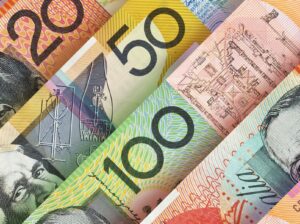

3201 Dallas Pkwy, Suite 200 Frisco, TX 75034
£0.00 (Fixed)