ID : 82096
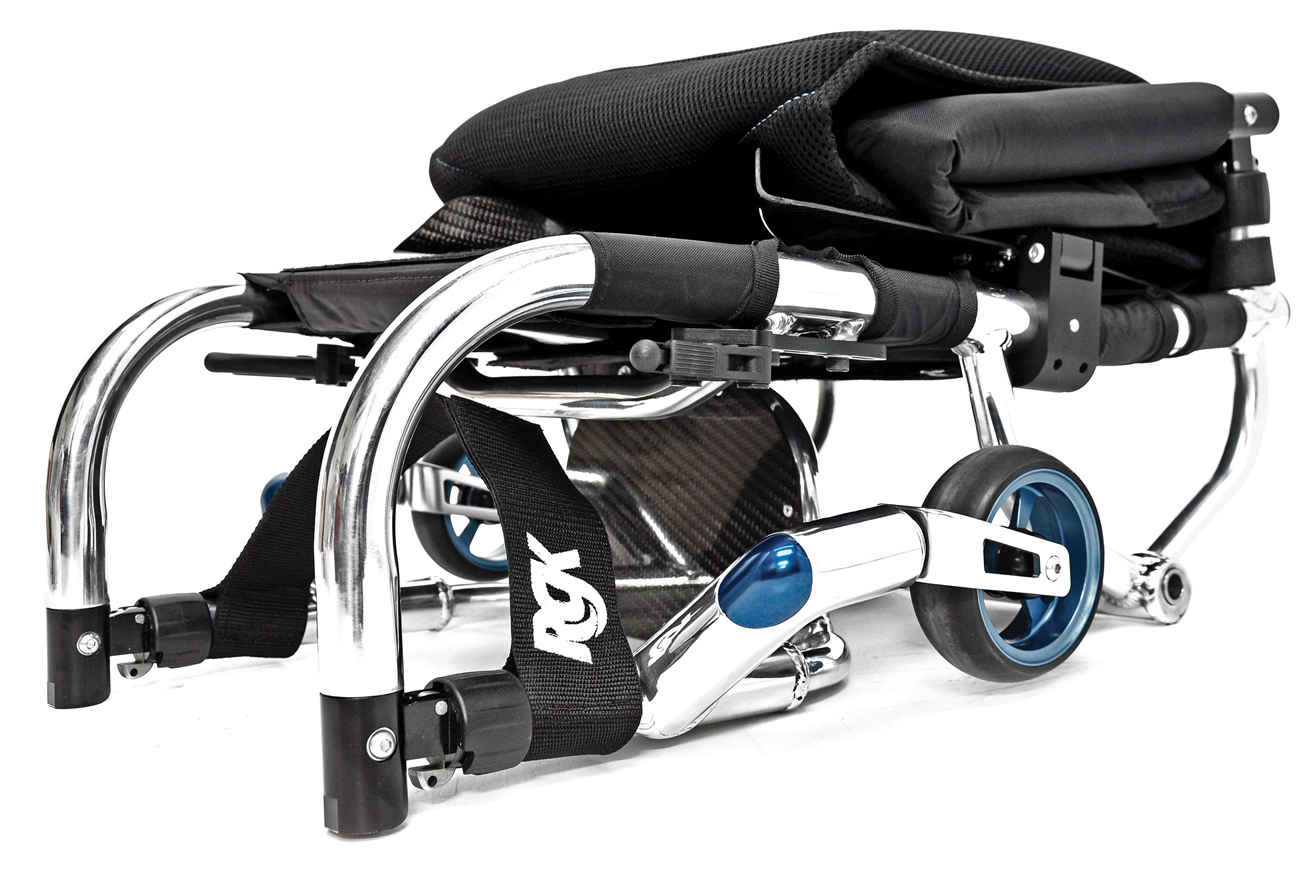
Mastering the Basics of How to Fold Wheelchair Frames
Efficiency in mobility management is a skill that improves with practice and the right information. In 2026, users are looking for ways to minimize the physical effort required to handle their gear. Learning the correct way to fold wheelchair units is the first step in this process. For a deep dive into the latest ergonomic designs that make folding easier for those with arthritis, visitfold wheelchair for detailed articles. A good fold starts with a clear understanding of the chair’s “pivot points.” These are the areas where the frame is designed to bend. If you try to force a fold at the wrong angle, you risk damaging the metal. Most manual chairs are designed so that the two sides move toward each other in a parallel motion. This design is robust and has been the industry standard for decades because it is both simple and effective. By becoming an expert in your chair’s mechanics, you reduce the time you spend struggling with equipment and increase the time you spend enjoying your day. This mastery is a significant boost to a senior’s independence and confidence.
The Crucial Step of Engaging Wheel Locks
One of the most overlooked safety steps in the folding process is the engagement of the wheel locks. Before you attempt to lift the seat or release any latches, you must make sure the chair cannot move. If the chair rolls while you are in the middle of folding it, you could lose your balance or pinch your fingers in the frame. Most 2026 models feature “push-to-lock” or “pull-to-lock” brakes that are easy to operate even with limited hand strength. Once the locks are on, the chair provides a stable platform for you to work. This is especially important if you are folding the chair on an incline or a slippery surface like a wet tile floor. It also makes it easier to remove the footrests, as the chair won’t scoot away from you. Making this a non-negotiable part of your routine ensures that every fold is a safe fold. It is these simple safety habits that prevent accidents and keep the mobility experience positive and stress-free for both the user and their caregivers.
Handling Removable Parts for a Tighter Fold
To get the most compact shape possible, you should always take advantage of the removable parts on your chair. This usually starts with the footrests, but can also include the armrests and even the rear wheels on “quick-release” models. In 2026, quick-release axles are more common, allowing you to pop the large wheels off with the touch of a button. This leaves you with a much thinner and lighter frame that can fit into the narrowest of spaces. While it adds an extra step to the process, it can be a lifesaver if you are traveling in a small vehicle or a crowded bus. Always handle these parts with care; dropping a wheel can damage the axle or the spokes. It is also a good idea to keep a small bag for these removable parts so they stay together. By reducing the chair to its core frame, you make the lifting and loading process significantly easier. This modular approach to mobility allows you to customize the size of your gear based on the situation, providing ultimate flexibility for any travel scenario.
The Science of the Cross Brace Folding System
The cross-brace is the heart of the folding wheelchair. It consists of two metal bars that form an “X” shape under the seat. When you pull up on the seat, these bars pivot, bringing the sides of the chair together. Understanding this system helps you diagnose why a chair might be difficult to fold. If the “X” is dirty or lacks lubrication, the chair will feel stiff. If the bars are bent, the chair may not close all the way. In 2026, manufacturers are using more precision-engineered bearings in these braces to ensure a smoother action. You should never spray the cross-brace with WD-40, as it can actually dry out the joints over time; instead, use a dedicated medical-grade lubricant. Keeping this area free of debris is also important, as a small pebble caught in the hinge can prevent the chair from folding entirely. A well-maintained cross-brace is the difference between a chair that folds in one second and one that takes a minute of struggling. By respecting the engineering of your chair, you ensure it serves you faithfully for years.
A Professional Wheelchair Guide and Mobility Tips
For those who want to avoid the “trial and error” method, a professional wheelchair guide is the best resource. The step-by-step instructions on how tofold wheelchair units provide a clear path to success for drive wheelchair users. This resource is packed with mobility tips that focus on the specific levers and locking mechanisms of the drive wheelchair brand. Following this wheelchair guide ensures that you are following the safest protocols for 2026. These mobility tips can also help you troubleshoot common issues, such as a backrest that won’t lock into place or a seat that feels too tight to fold. By using a verified wheelchair guide, you gain the expertise of a professional technician from the comfort of your own home. These mobility tips are designed to empower the user, making them the expert on their own equipment. Whether you are a new user or have been using a chair for years, there is always something new to learn about making your daily life more efficient and organized.
Storing Your Folded Chair to Prevent Frame Damage
How you store your chair when it’s not in use is just as important as how you fold it. You should always store a folded chair in a dry, cool place to prevent the metal from corroding and the upholstery from molding. If you are leaning the chair against a wall, make sure it is stable and won’t fall over. If the chair falls while folded, the impact can misalign the frame, making it difficult to unfold or push later. Many people use a small strap or a bungee cord to keep the chair tightly closed while it is in storage. This prevents the frame from “drifting” open, which can happen with older chairs. If you are storing the chair in a car trunk, make sure it isn’t buried under heavy luggage that could bend the delicate spokes of the wheels. By treating your chair with respect even when it’s not being used, you ensure it is always in peak condition when you need it. A well-stored chair is a reliable chair, and it will be ready to provide you with independence the moment you unfold it for your next outing.







53, William streets
£150.00 (Negotiable)

Office No. 1112, 11th Floor, Fortune Business Hub, Science City Road, Ahmedabad, Gujarat
Price On Call