ID : 85986
Vietnam remains a popular choice for travelers looking for a combination of historic cities, beaches, food, culture, and affordable experiences. However, choosing the right travel season and arranging your Vietnam visa early can make the journey much easier.
For international visitors, the Vietnam e visa provides a convenient online application option. Vietnam’s Immigration Department states that an eVisa can be valid for up to 90 days and may allow either single or multiple entry.
Vietnam’s weather changes considerably between the north, central region, and south, so the best travel period depends on your itinerary.
October to December: Northern destinations such as Hanoi, Ha Long Bay, and Ninh Binh can be attractive during the cooler months. This period is particularly suitable for travelers who want sightseeing and outdoor activities without intense summer heat.
January to March: The beginning of the year can be a popular period for exploring different parts of Vietnam. Travelers should check local holiday dates because demand for flights and accommodation can increase around major celebrations.
April to June: Warmer weather makes coastal destinations appealing, although temperatures can rise considerably. Da Nang, Hoi An, and other central destinations can work well for travelers combining sightseeing with beach time.
July to September: Summer and early autumn bring different rainfall patterns across the country. Flexible travelers can still enjoy Vietnam by choosing destinations according to regional weather conditions.
One important change travelers should know is that Vietnam’s electronic visa system has moved to new domains. The Immigration Department announced that current eVisa portals.
When searching for a Vietnam visa travelers should verify that they are using the current immigration portal and should avoid confusing unofficial websites with the application system.
The online process involves completing the application form accurately, submitting the required information, paying the applicable fee, and receiving the eVisa electronically.
Seasonal travel can increase demand for flights, hotels, tours, and transportation. Your visa should therefore be part of your trip planning rather than something left until the last minute.
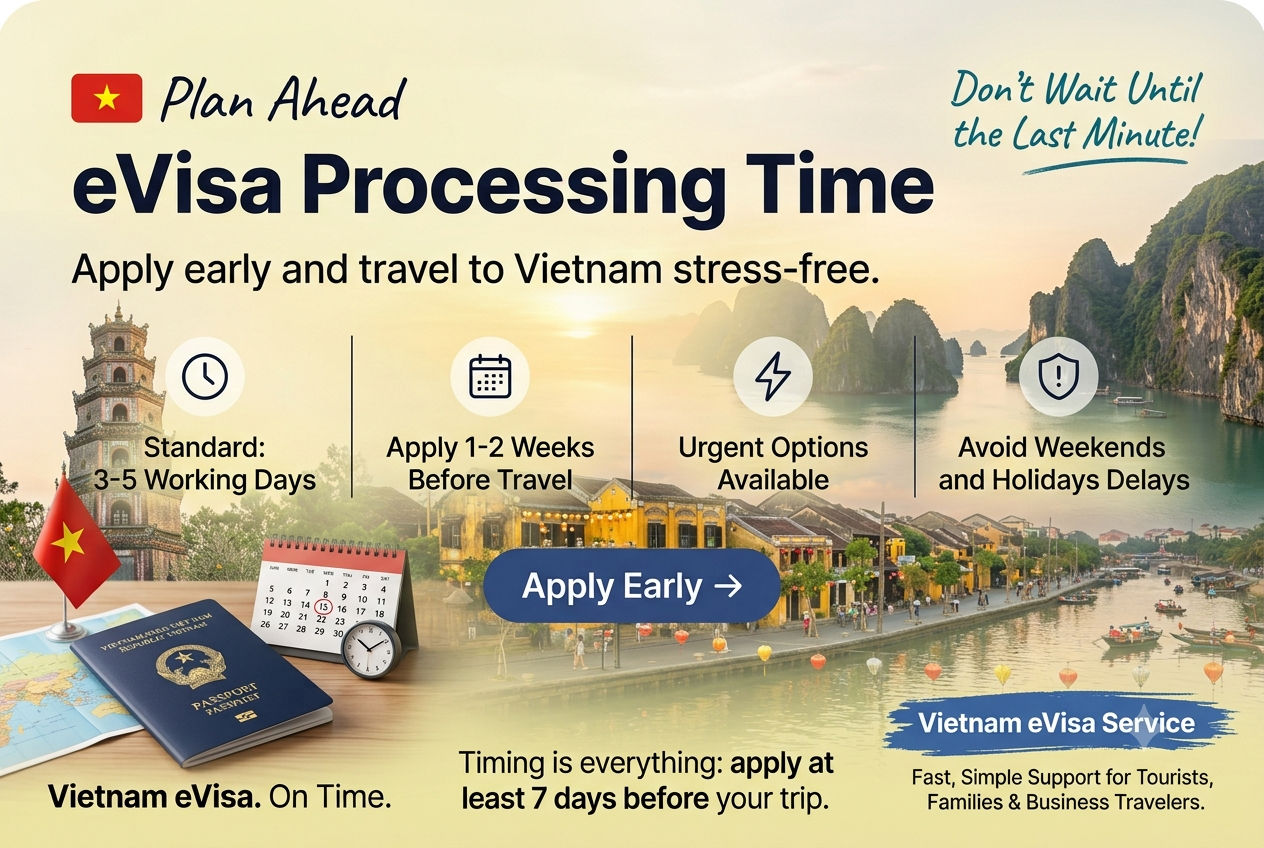
The published processing procedure indicates a standard processing period of up to three working days after the required information and fee have been received. Travelers should still allow extra time for corrections or unexpected delays.
If you search for an Vietnam evisaor an emergency Vietnam visa because your departure is approaching, don’t assume that an expedited result is guaranteed. Applying early and checking every passport and travel detail is a safer approach.
Travelers visiting during cooler northern weather can consider Hanoi, Ninh Binh, and Ha Long Bay. Central Vietnam offers Hoi An and Da Nang, while southern itineraries can include Ho Chi Minh City and the Mekong Delta.
A longer trip can combine all three regions, but travelers should avoid packing too many destinations into a short schedule. Choosing two or three regions often provides a more comfortable experience.
Before traveling, check:
The current system also allows applicants to check their application and download the electronic visa using their application information.
A successful Vietnam holiday starts with good timing. Research the weather for each region, reserve important travel arrangements during busy seasons, and complete your Vietnam e visaapplication well before departure.
For travelers comparing a Vietnam e visa, Vietnam visa online options, or searching for a Vietnam e visa official site, checking the current immigration portal should be the first step. With the visa arranged and the itinerary matched to the season, visitors can spend more time enjoying Vietnam’s food, landscapes, cities, and cultural experiences.



25 Lindisfarne Road, Dagenham, Essex RM8 2QX, England, United Kingdom
Price On Call
53, William streets
£100.00 (Negotiable)